



How to create a realistic exam revision schedule
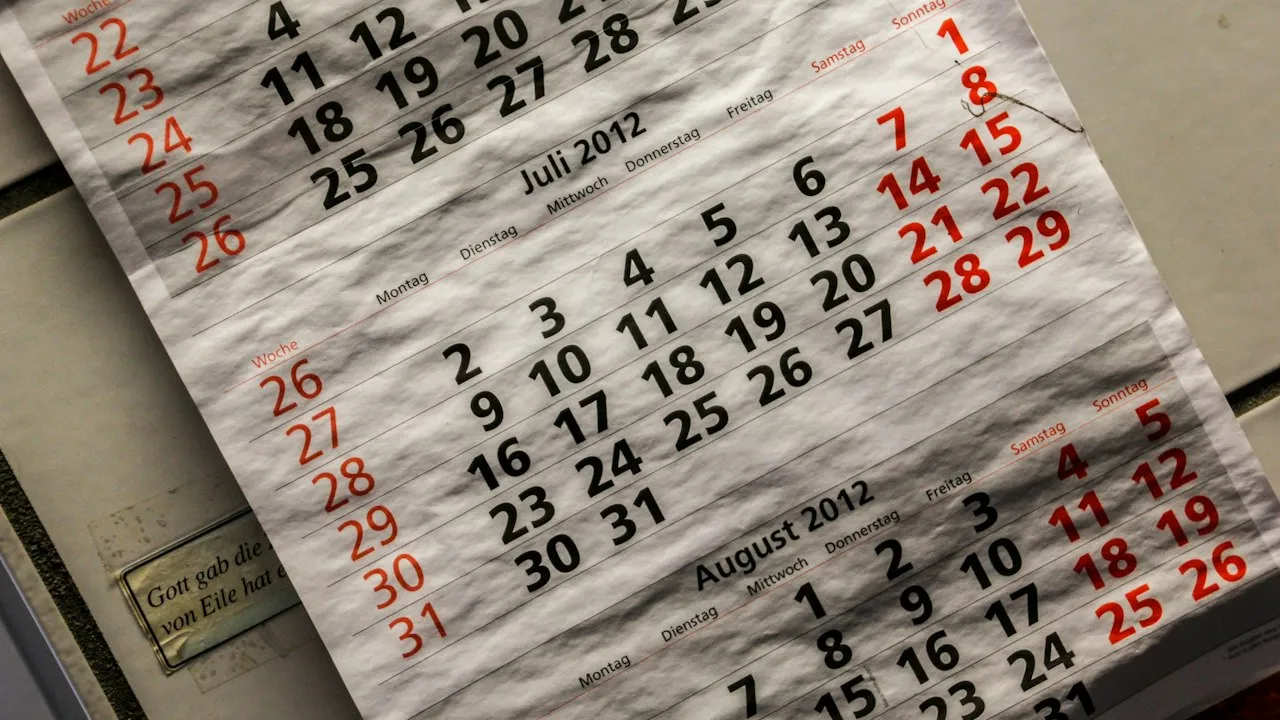
A realistic exam revision schedule gives you a clear route through a demanding period without pretending that every hour will be productive. Rather than filling a calendar with ambitious targets, build a plan around your actual commitments, energy levels and the time remaining before each exam. The result should feel structured enough to guide you, yet flexible enough to survive a difficult day.
Start with the dates, subjects and available time
Begin by gathering every exam date, assessment deadline and revision resource in one place. List each subject, then break it into topics, units or skills. A history course might include source analysis, key periods and essay planning, while a mathematics course may need separate entries for algebra, geometry and problem-solving practice.
Next, calculate the revision time you genuinely have. Include lessons, work shifts, family responsibilities, travel, meals, exercise and sleep. A schedule that assumes you can revise for six hours after a full school day will quickly become discouraging.
Use three categories to rank your subjects:
- High priority: exams taking place soon, difficult topics or subjects with lower current grades.
- Medium priority: subjects you understand reasonably well but still need to practise.
- Lower priority: areas that need maintenance rather than intensive study.
This ranking does not mean ignoring stronger subjects. It helps you allocate time where it can make the greatest difference. If you are unsure which techniques fit each task, How to study effectively for better retention and exam results offers useful approaches for turning revision time into lasting learning.
Turn large topics into manageable revision tasks
“Revise biology” is too broad for a calendar entry. It gives you no clear starting point and no reliable way to know when the session is complete. Replace broad intentions with specific, observable tasks.
For example, instead of writing “chemistry revision”, plan sessions such as:
- Complete ten balancing-equation questions and mark them.
- Create retrieval questions for atomic structure.
- Review feedback from the last practical write-up.
- Answer one timed exam question on bonding.
Smaller tasks make it easier to begin, especially when motivation is low. They also reveal whether you are spending too much time reading notes and too little time retrieving knowledge or applying it.
Include several kinds of work across the week. Content review helps you rebuild understanding, but exam success also depends on practice questions, timed papers, error correction and recalling information without notes. Your plan should therefore move gradually from learning material to using it under exam conditions.
Teaching methods can also inspire your independent study. For instance, explaining a topic aloud, sorting ideas visually or practising through questions may suit different tasks. Effective teaching methods for different learning styles can help you choose varied methods without relying on a single revision habit.
Build weekly blocks before planning individual days
A weekly view is more realistic than trying to script every minute for several months. Start by allocating revision blocks to each subject according to priority. A block can be 25, 45 or 60 minutes, depending on your concentration and the task involved.
For a busy weekday, two focused blocks may be enough. At weekends, you may have room for three or four, with proper breaks. Avoid treating every free hour as revision time. Leaving space for meals, rest and unexpected work protects the schedule from collapsing when life becomes busy.
A useful weekly pattern might include:
- A high-priority subject on three or four days.
- A medium-priority subject on two or three days.
- Short maintenance sessions for stronger subjects.
- One session for reviewing mistakes and planning the following week.
- At least one lighter evening or half-day away from intensive work.
Place demanding tasks at times when you tend to think most clearly. If you focus well early in the morning, use that period for a past paper or difficult topic. Save simpler tasks, such as making flashcards or organising notes, for lower-energy periods.
Digital planners, paper calendars and task apps can all work, provided they make the next action obvious. Which learning tools actually help students stay organized and focused? compares options that can support a clearer routine.
Leave room for setbacks and review your progress
The most effective schedules include buffer time. Reserve one or two blocks each week for unfinished work, unexpected homework or a topic that took longer than planned. Without these spaces, one missed session can create a backlog that feels impossible to recover from.
Review your schedule at the end of each week. Ask yourself which tasks were completed, which took longer than expected and where your confidence remains low. Then adjust the following week rather than blaming yourself for an imperfect plan.
Keep your review practical. If you repeatedly postpone a two-hour session, split it into two shorter blocks. If a subject is improving quickly, reduce its time slightly and redirect that time to a weaker area. If you are tired for several days, protect sleep and scale the plan back temporarily. Consistency is more valuable than occasional exhaustion.
A realistic schedule keeps revision sustainable
A revision timetable works when it reflects your real life, not an idealised version of it. Start with fixed commitments, divide subjects into clear tasks, distribute them across the week and retain enough flexibility to respond to setbacks. You can refine the plan as your exams approach and your confidence changes.
Key points to remember:
- Plan tasks, not vague subjects, so each session has a clear finish line.
- Give more time to imminent exams and weaker areas, while maintaining stronger subjects.
- Combine content review with retrieval practice, exam questions and feedback.
- Schedule breaks, sleep and buffer blocks as part of the plan.
- Review your timetable weekly and adapt it to your actual progress.